
Ranger Training Program for National Parks
Comprehensive Ranger Training for National Parks and Protected Areas
National Parks and protected areas are more than natural landscapes. They are biodiversity reserves, strategic environmental assets, sources of national heritage, engines of sustainable tourism and essential spaces where conservation, public authority, local communities and security must work together.
Protecting these areas requires more than equipment, uniforms or written procedures. It requires trained, disciplined and resilient ranger teams capable of operating safely and effectively in demanding environments.
Rangers are often the first line of protection for wildlife, ecosystems, visitors, park infrastructure and local communities. Their work combines conservation, surveillance, patrol operations, law enforcement support, emergency response, reporting, community engagement and operational presence in remote or sensitive areas.
At I4S, we provide a comprehensive and modular Ranger Training Program designed for National Parks, protected areas and conservation authorities operating in complex environments.
Our training combines field operations, anti-poaching awareness, patrol planning, emergency response, conservation support, technology integration and operational mentoring to strengthen protected area security and improve ranger effectiveness.
Why Ranger Capability Matters
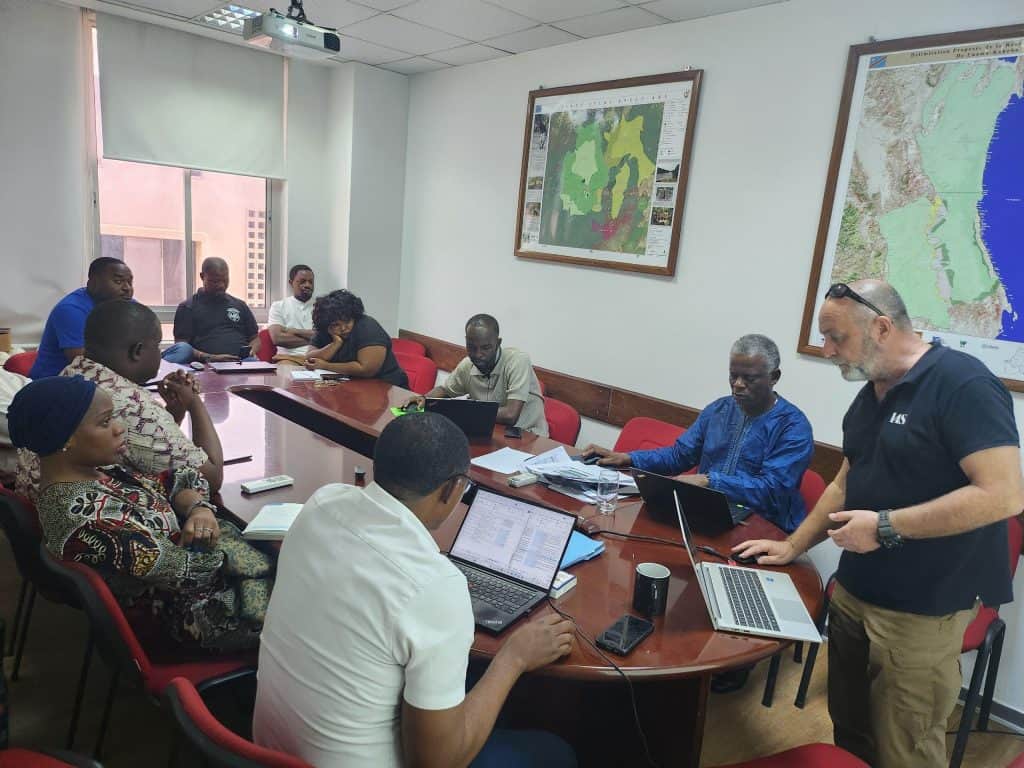
The effectiveness of a protected area depends heavily on the people responsible for protecting it on the ground. Rangers must be able to move across difficult terrain, identify risks, detect illegal activity, communicate accurately, preserve evidence, respond to emergencies and coordinate with park authorities or law enforcement bodies when required.
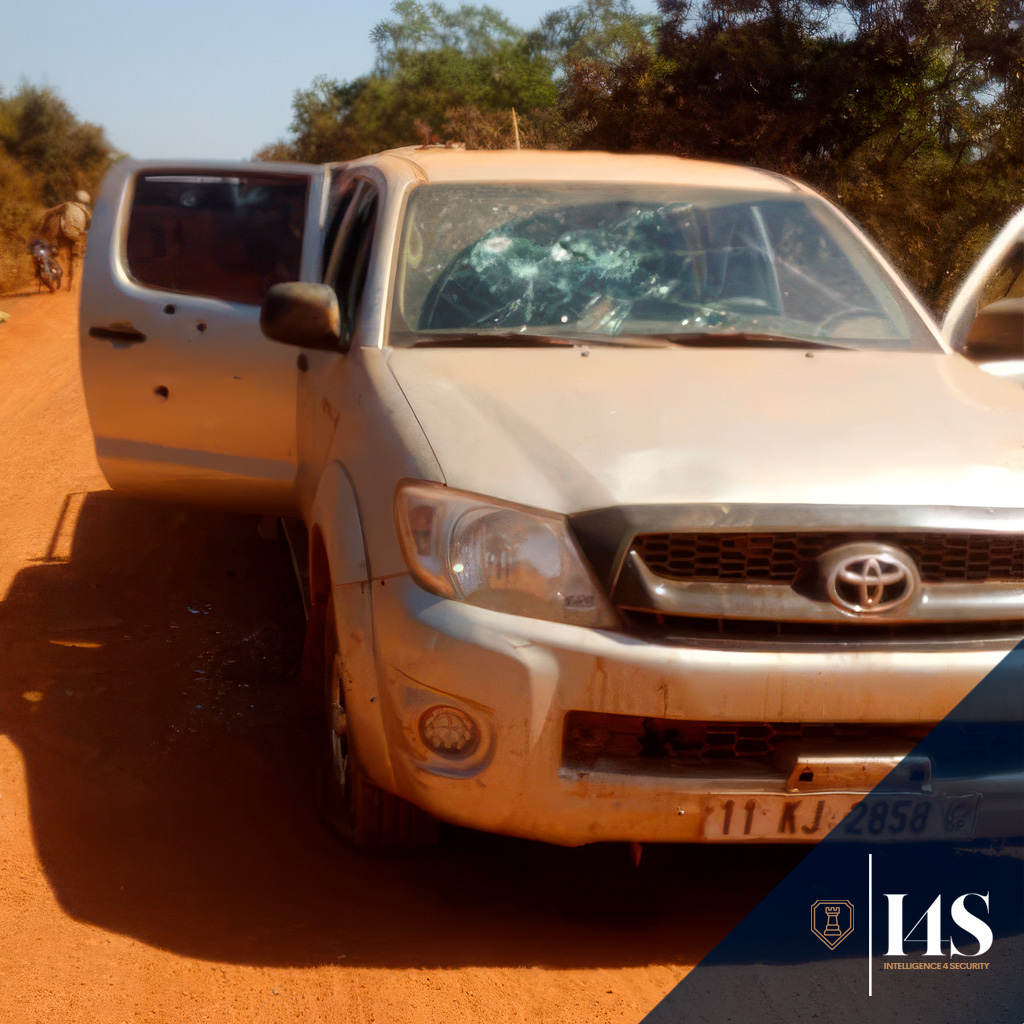
In many protected areas, threats are not theoretical. Rangers may face local and transnational poaching, trafficking of wildlife products, trafficking of live animals, illegal camps, unauthorized access, illegal logging, environmental crime, armed criminal groups or instability linked to extremist threats.
For this reason, ranger training must be practical, realistic and adapted to the operational environment. It must prepare teams not only to patrol, but also to observe, report, prevent, respond and support wider conservation and security objectives.
A well-trained ranger force improves the entire protected area. It helps reduce illegal activity, strengthens visitor safety, improves public confidence, supports community relations and contributes directly to the protection of biodiversity and natural heritage.
Training Built Around Real Field Conditions
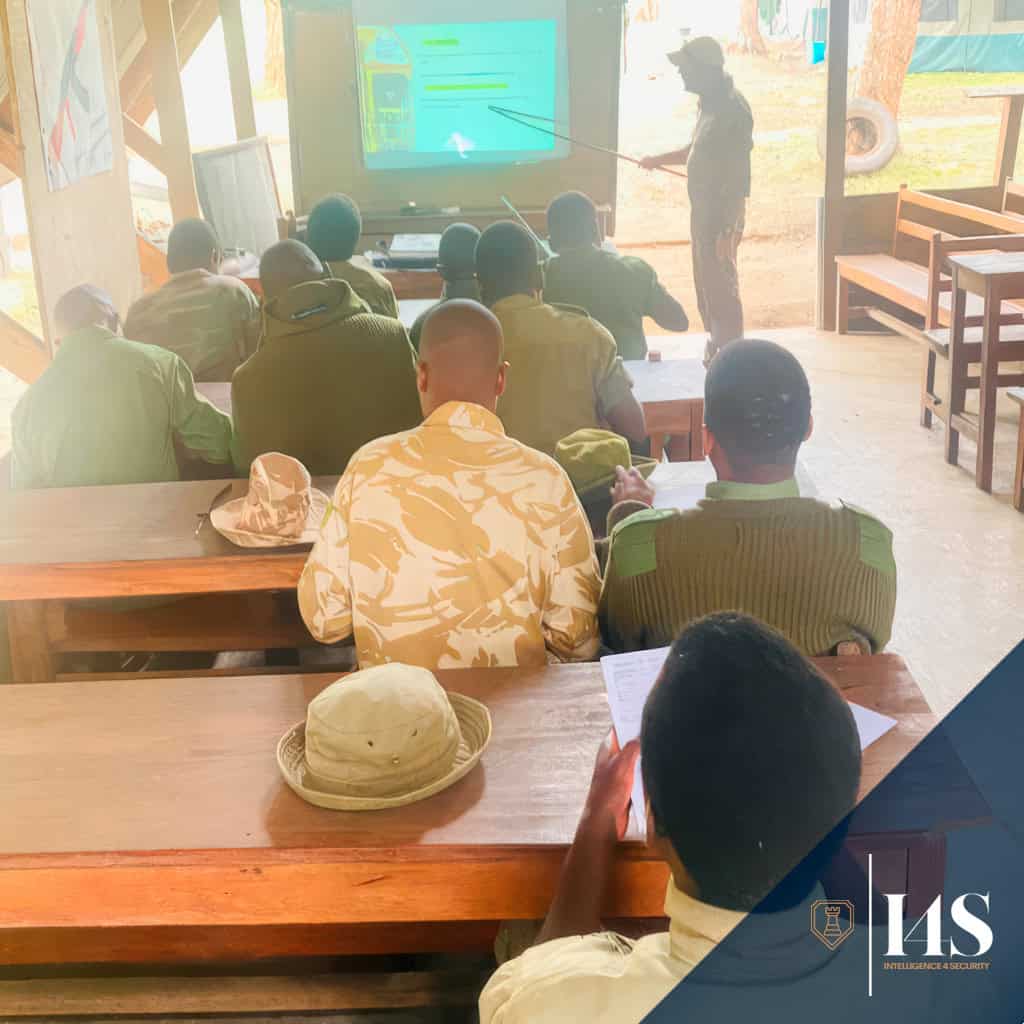
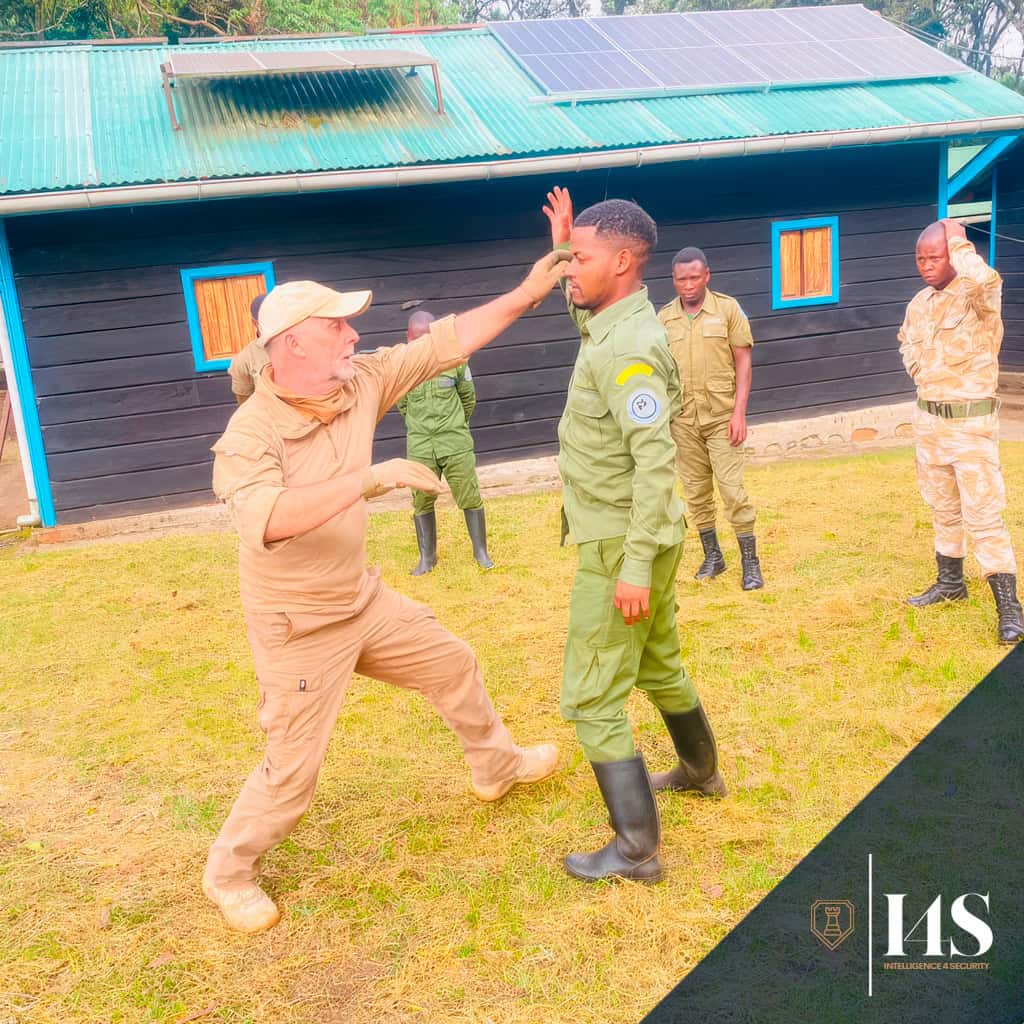
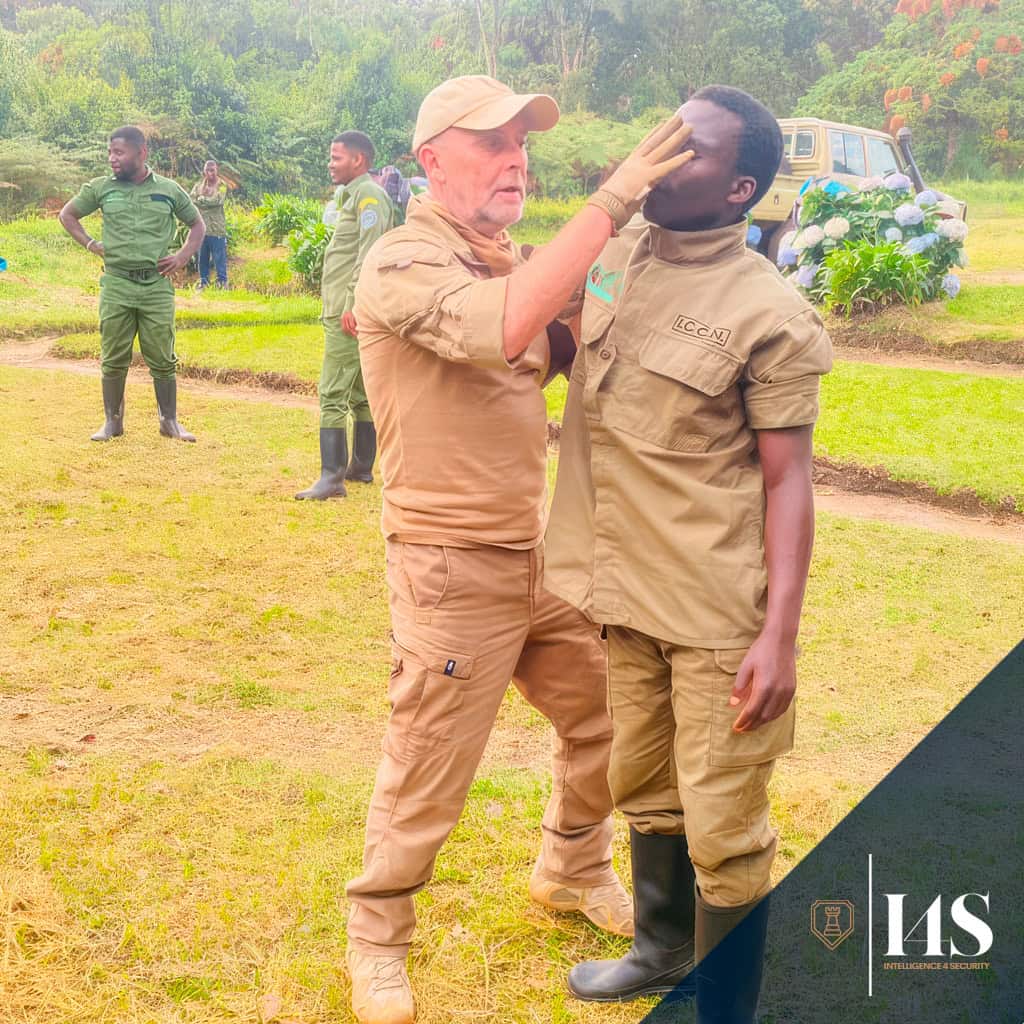
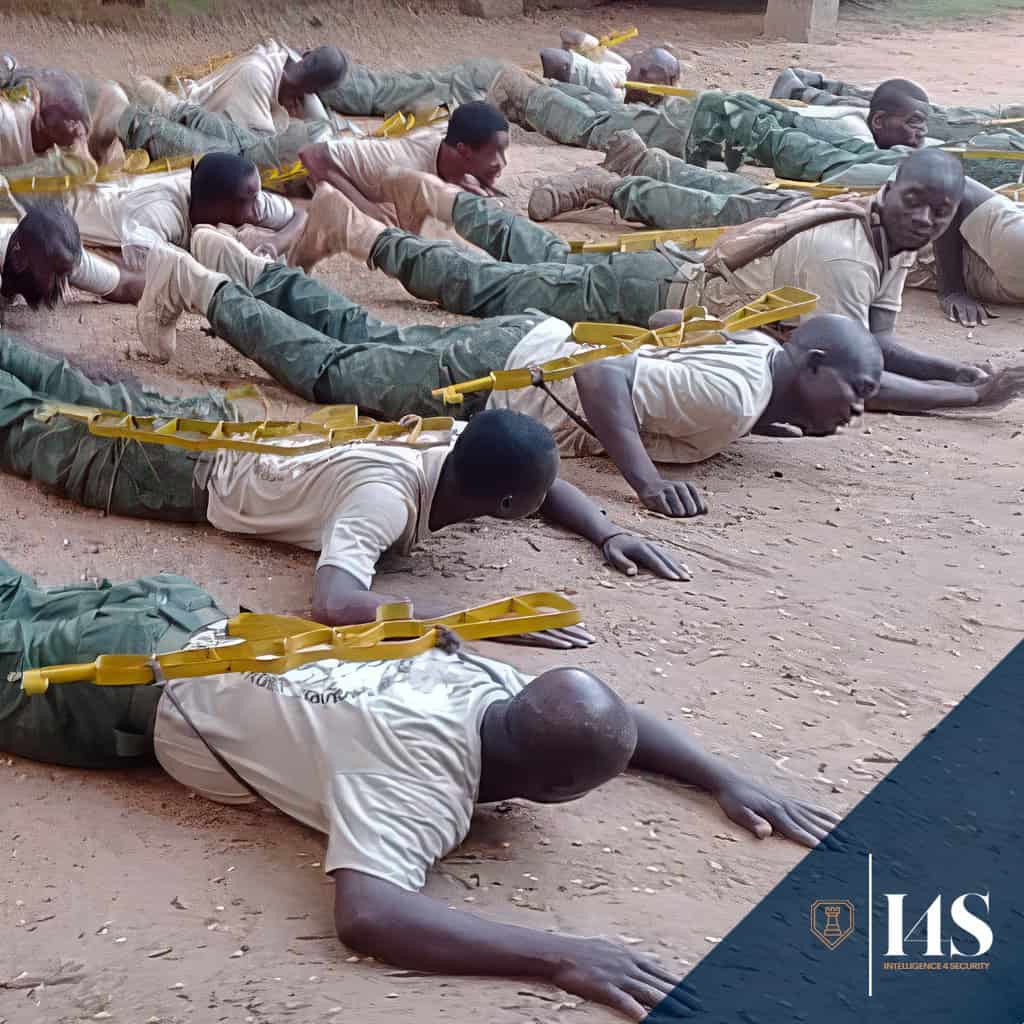
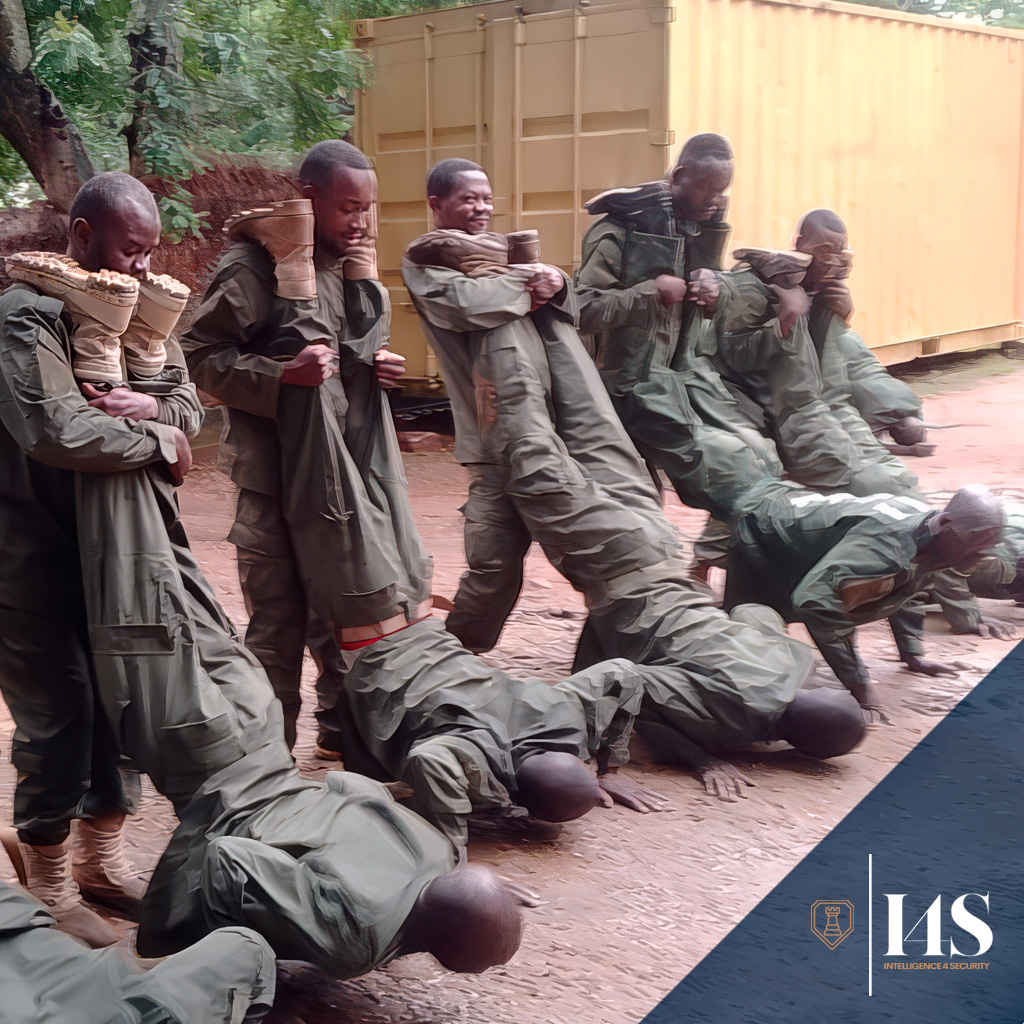
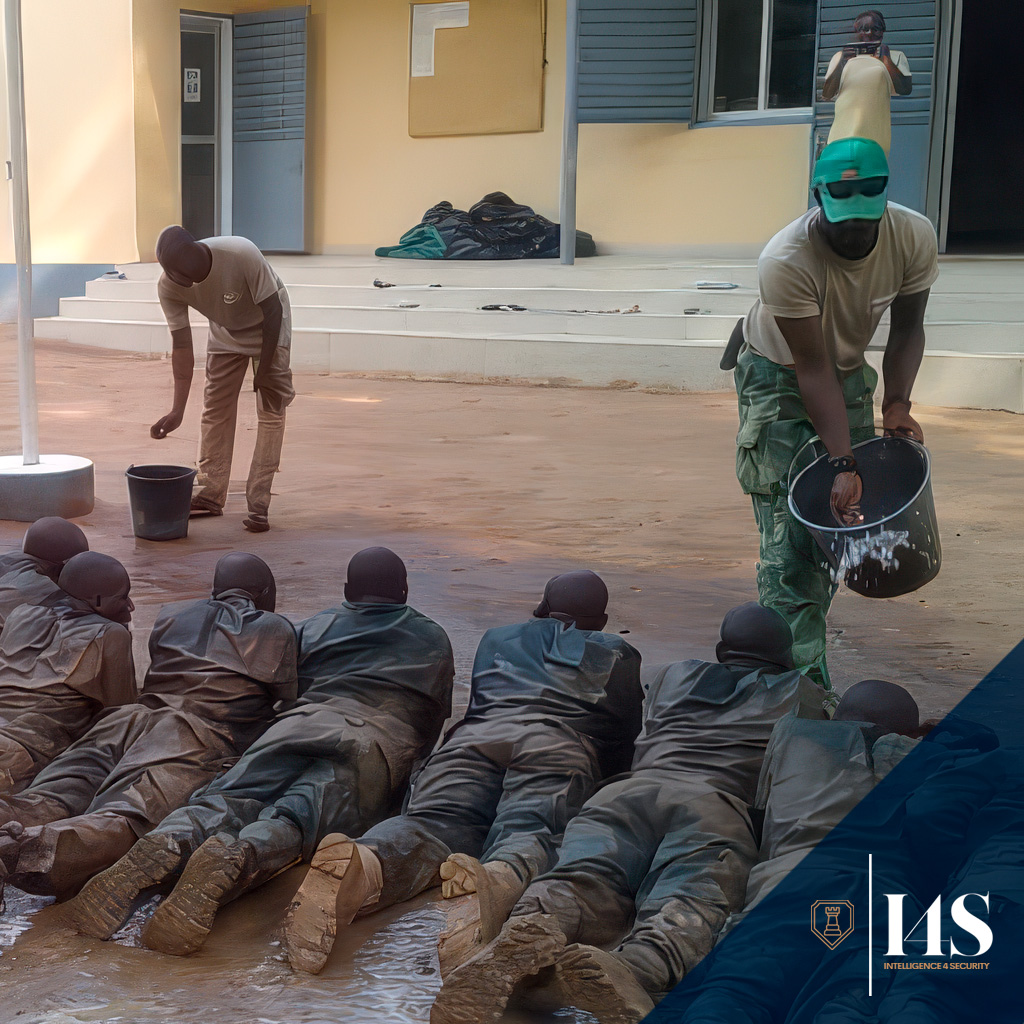
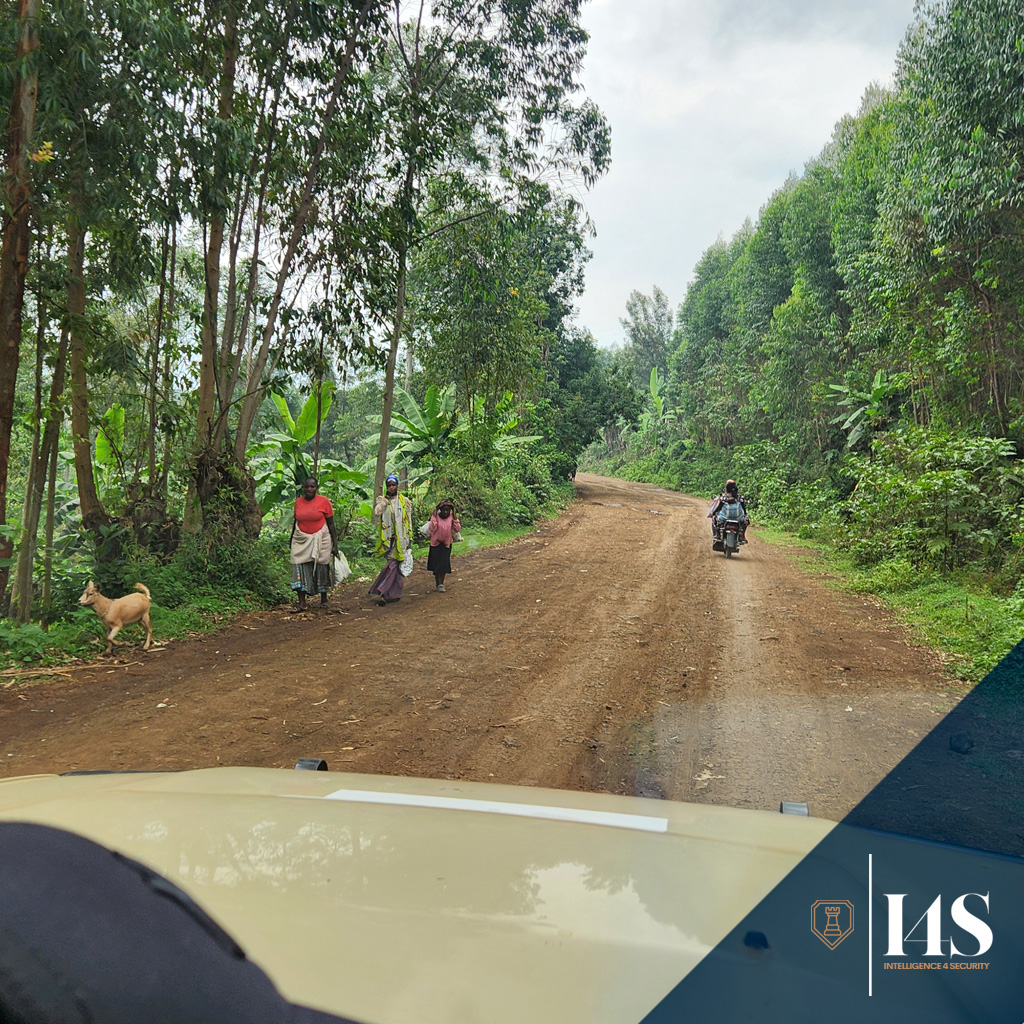
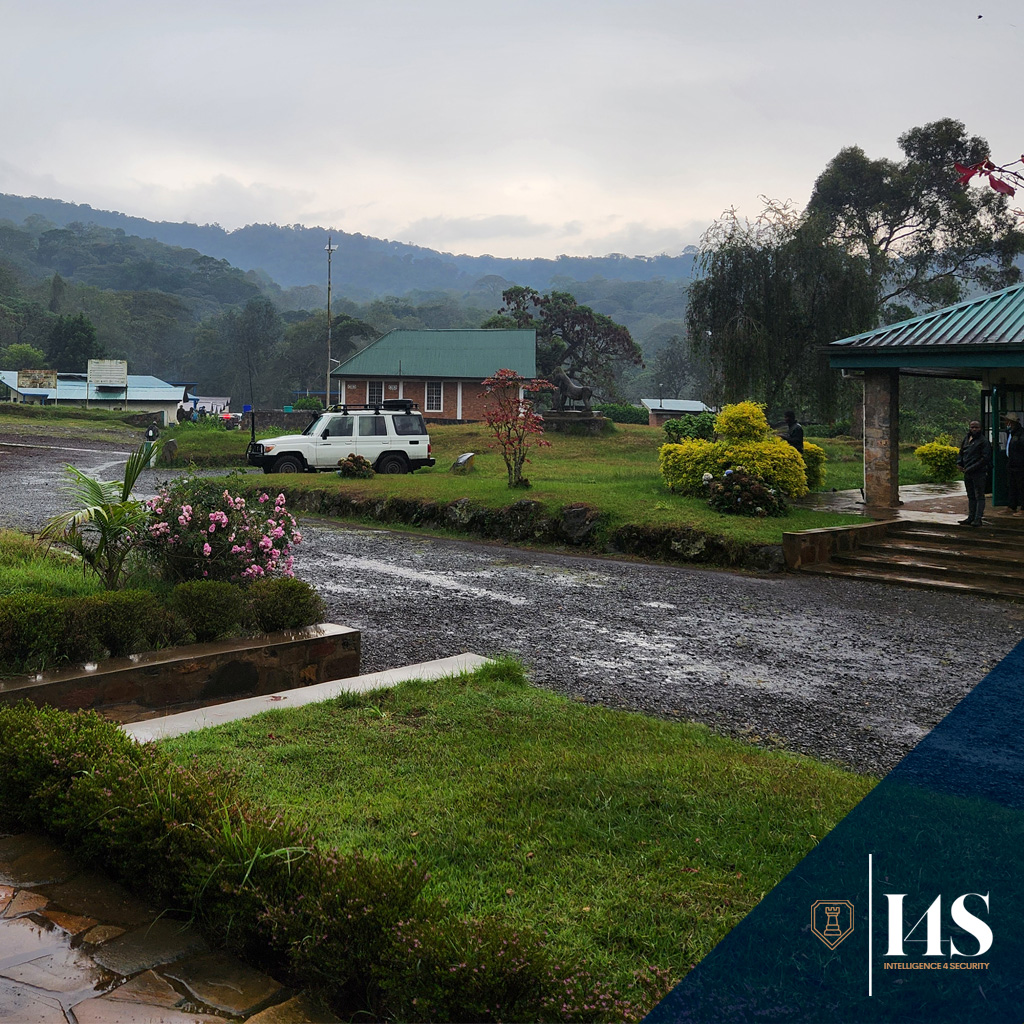
Every protected area has its own reality. Terrain, climate, vegetation, access routes, wildlife behaviour, nearby communities, available resources, legal frameworks and threat patterns can vary significantly from one park to another.
For that reason, I4S does not approach ranger training as a generic course. We design each program around the specific needs of the authority, the ranger force and the protected area itself.
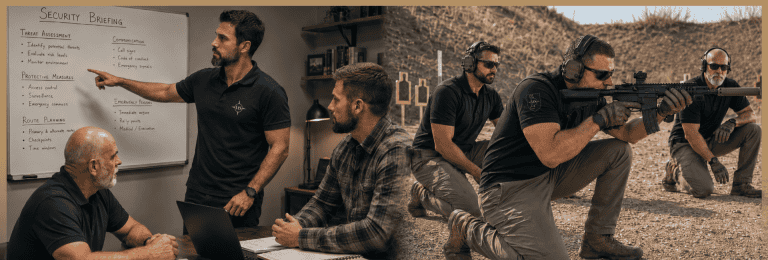
Our methodology is based on practical field application. Classroom instruction is important, but ranger performance is ultimately measured in the field: during patrols, in remote areas, in contact with communities, under stress, during incidents and when decisions must be made with limited time and incomplete information.
Training can be delivered through a blended model combining classroom instruction, practical field exercises, scenario-based simulations, patrol planning, operational mentoring and performance evaluation.
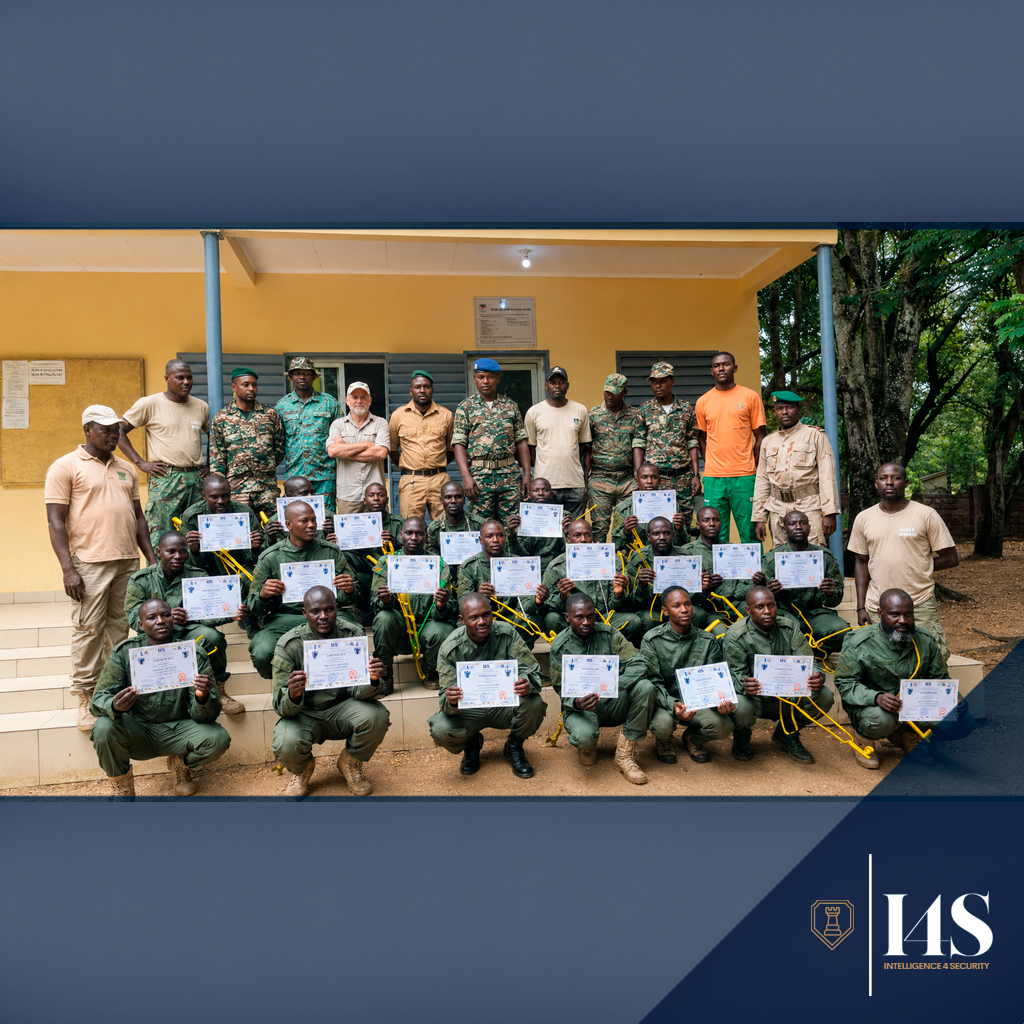
Depending on the needs of the client, the initial program can be structured over 8 to 12 weeks, with additional refresher courses, advanced modules and train-the-trainer components to support long-term capacity building.
Core Training Modules
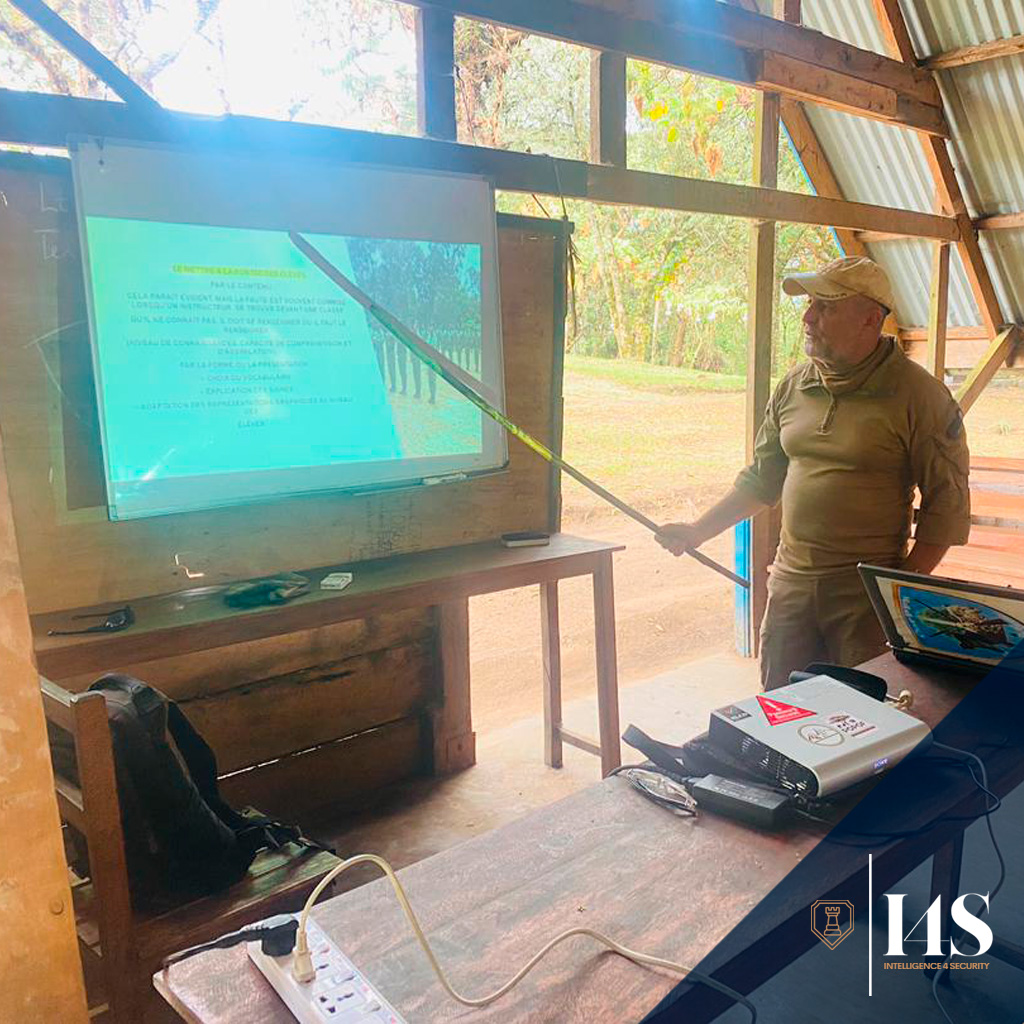
Fieldcraft and Patrol Operations
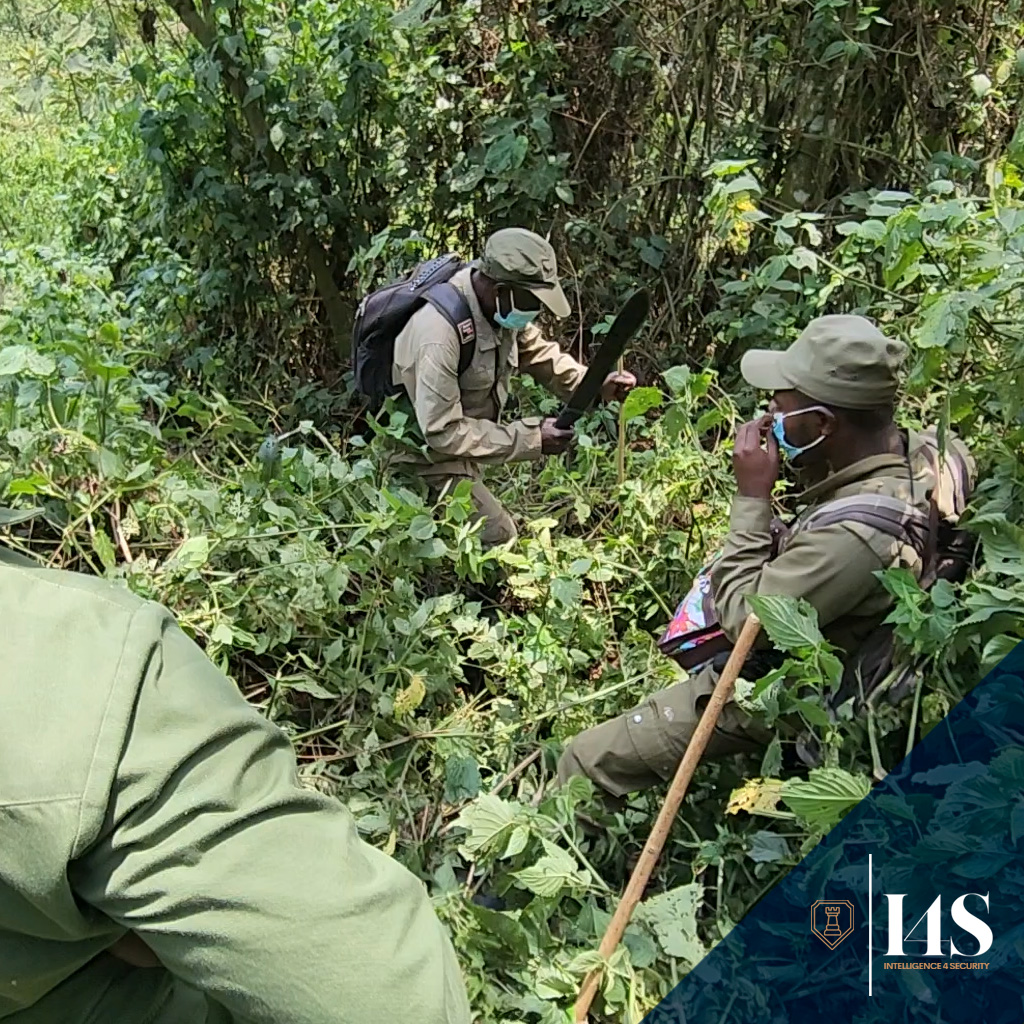
Effective patrols are the foundation of protected area security. Rangers must know how to move, observe, navigate, communicate and report in a disciplined and structured way.
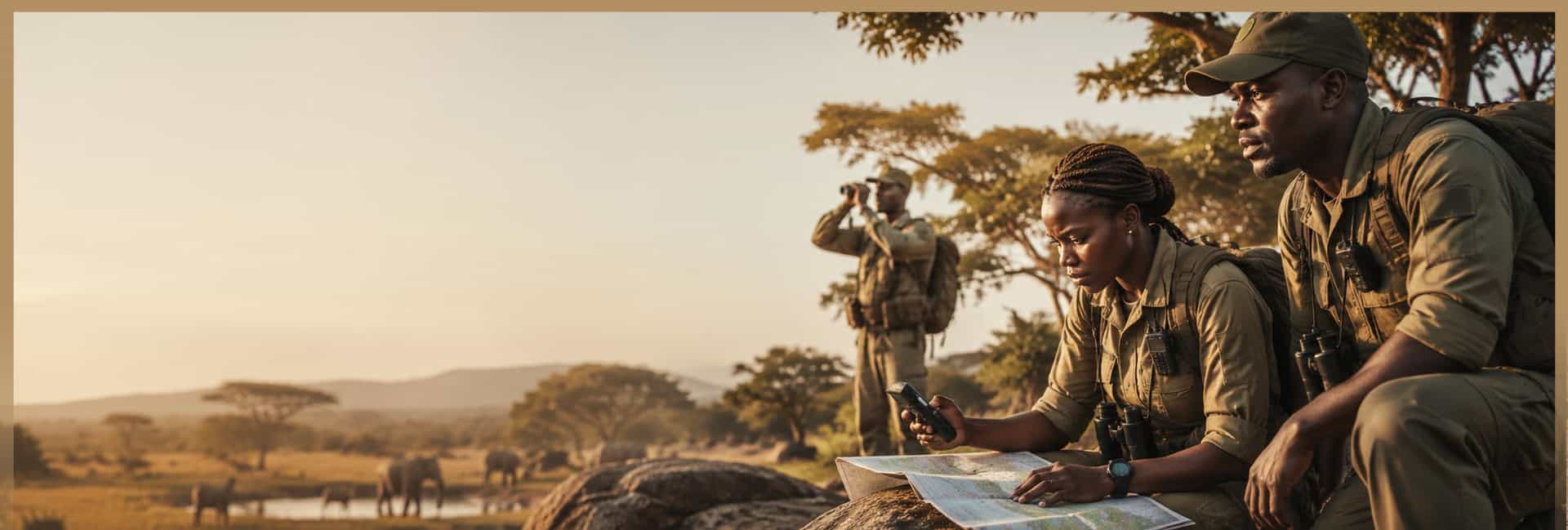
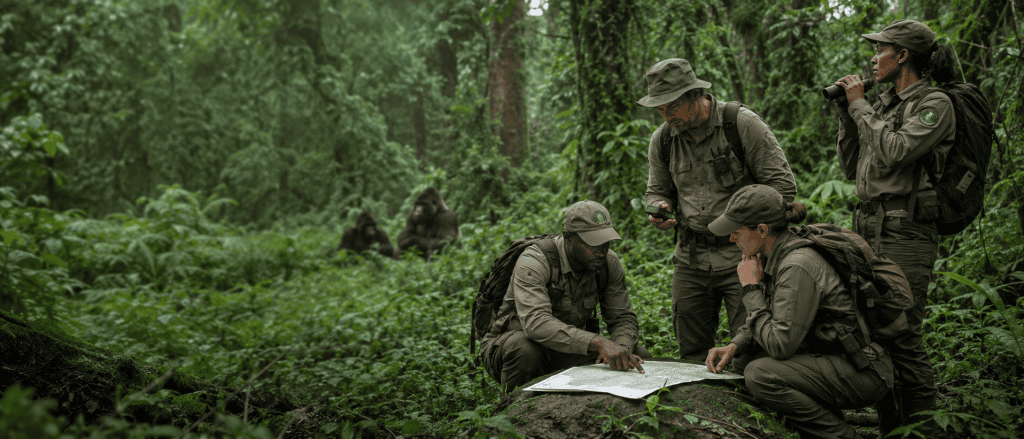
This module focuses on navigation, tracking, route planning, observation techniques, patrol formations, field discipline, camouflage awareness, reporting procedures, terrain analysis and anti-poaching support tactics.
The objective is to improve the ability of ranger teams to detect irregular activity, protect themselves, gather useful information and maintain an effective operational presence across the park.
Anti-Poaching Awareness and Operational Prevention
Poaching is not only a conservation issue. In many regions, it is connected to organized networks, illegal markets, trafficking routes and wider criminal activity.
I4S training helps ranger teams identify indicators of illegal hunting, unauthorized access, illegal camps, animal product trafficking and live animal trafficking. The focus is not only on reacting to incidents, but on improving detection, deterrence, reporting and coordination before threats escalate.
Law Enforcement Support and Professional Conduct
Rangers often operate at the intersection of conservation, public authority and community relations. Their actions must be lawful, proportionate and professionally documented.
This module covers legal frameworks, conflict de-escalation, access control, suspect handling, evidence preservation, incident reporting, use-of-force principles and coordination with competent authorities.
The aim is to reinforce disciplined, accountable and legally aware field operations.
Emergency Response, Health and Ranger Survivability
Protected areas often involve remote terrain, limited communications and delayed access to external medical support. Rangers must be prepared to respond to injuries, wildlife-related incidents, missing persons, road accidents, dehydration, heat stress, infectious disease risks, hostile encounters and crisis situations.
Our emergency response training can include wilderness first aid, casualty management, search and rescue procedures, evacuation planning, incident coordination and basic crisis management.
Ranger survivability also includes preventive health awareness. In many field environments, recurrent diseases, contaminated water, fatigue, poor hygiene conditions, vector-borne illnesses and long exposure to harsh terrain can directly affect operational readiness.
A ranger force that cannot remain healthy, organized and resilient cannot protect the park effectively. For this reason, I4S integrates physical preparation, field hygiene, stress management, fatigue awareness and team resilience into its training approach.
Conservation Awareness and Environmental Stewardship
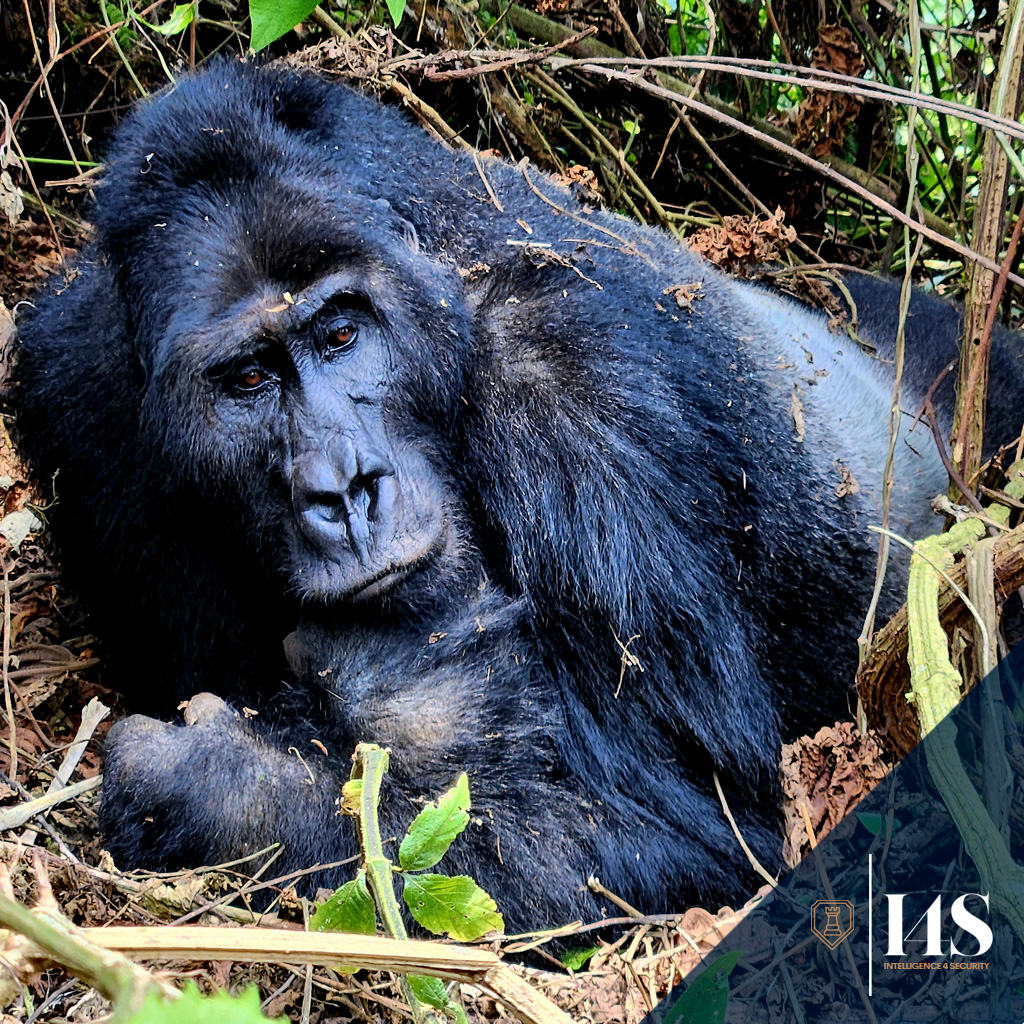
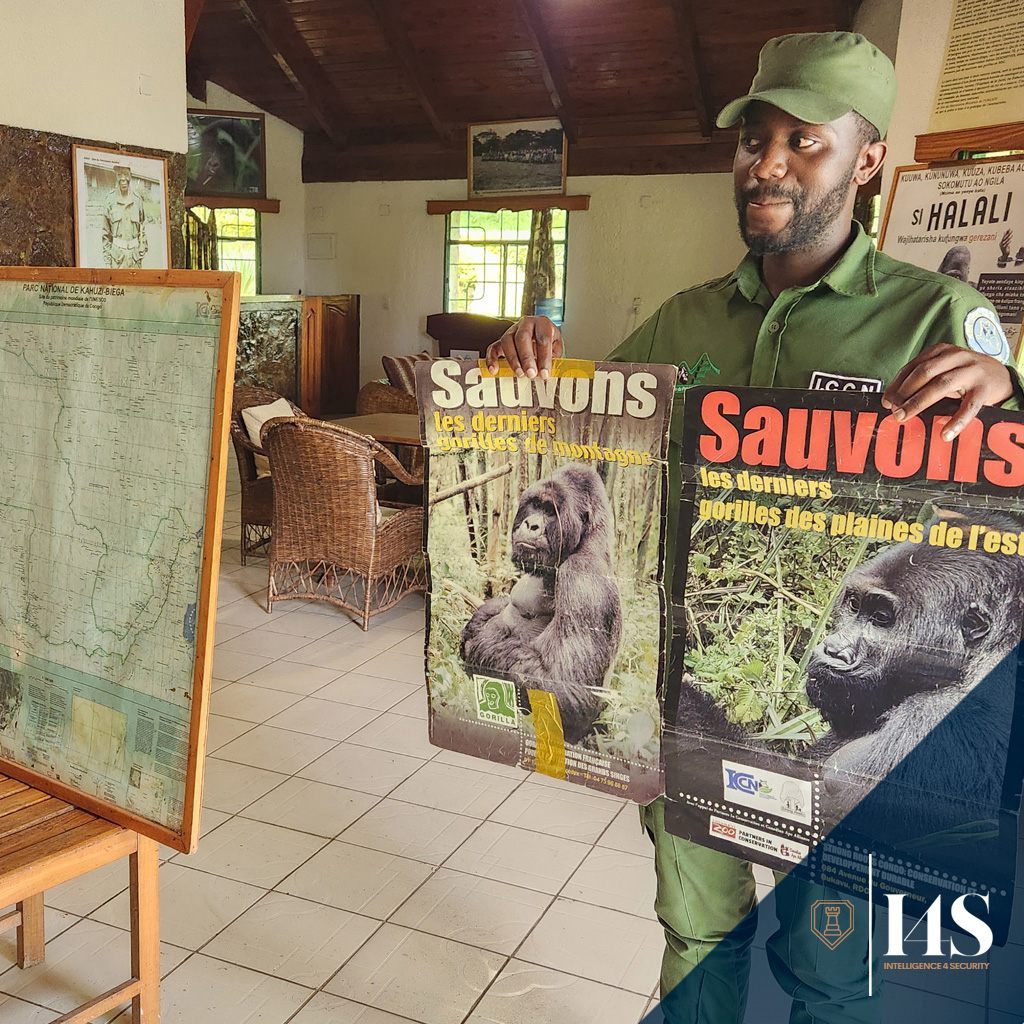
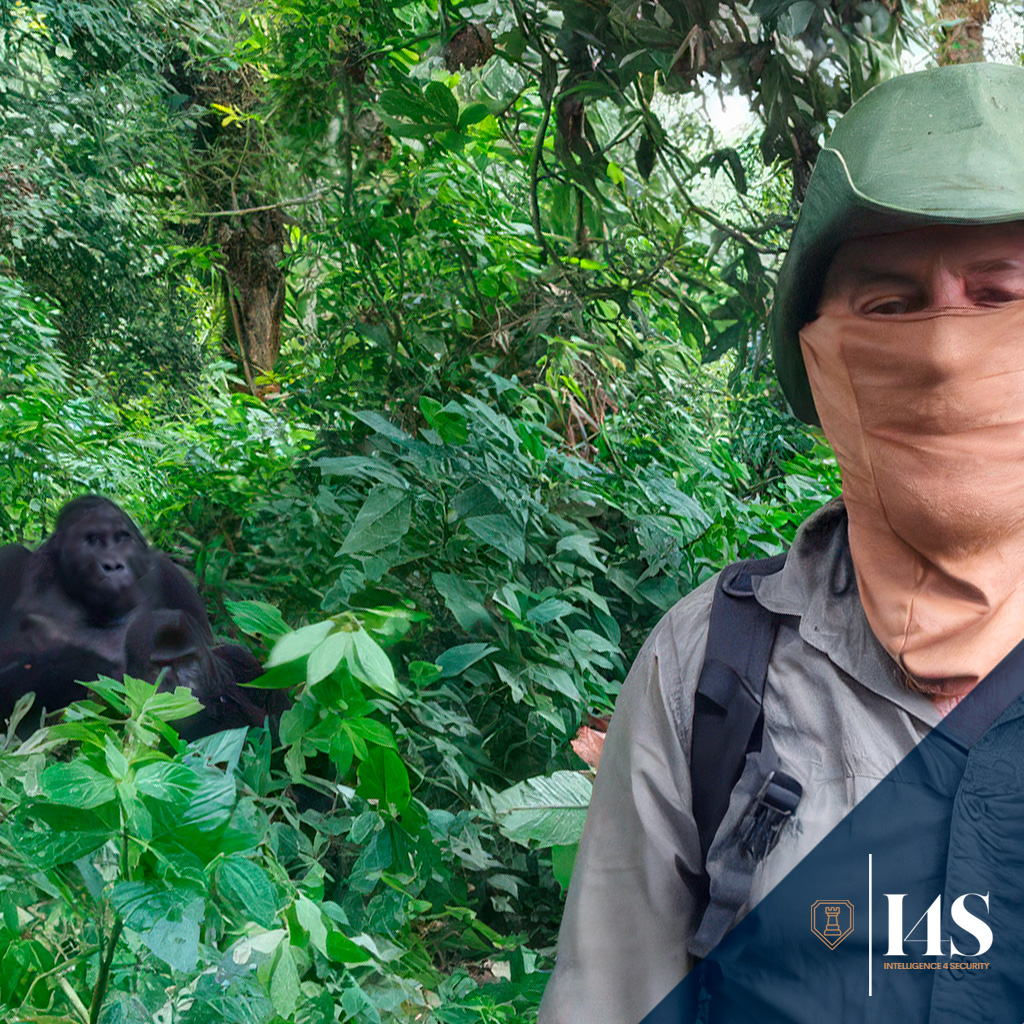
Security and conservation cannot be separated. Rangers are not only operational personnel; they are guardians of natural heritage.
Their presence helps protect wildlife, preserve habitats, monitor biodiversity, deter illegal activity and support long-term environmental sustainability.
This module reinforces ecological awareness, biodiversity monitoring, wildlife protection, habitat preservation, responsible conduct in sensitive environments and the importance of sustainable field practices.
For I4S, ranger training is not about militarizing conservation. It is about giving ranger teams the skills, discipline and confidence required to protect fragile ecosystems in a professional, lawful and sustainable way.
Wildlife Trafficking and Investigation Support
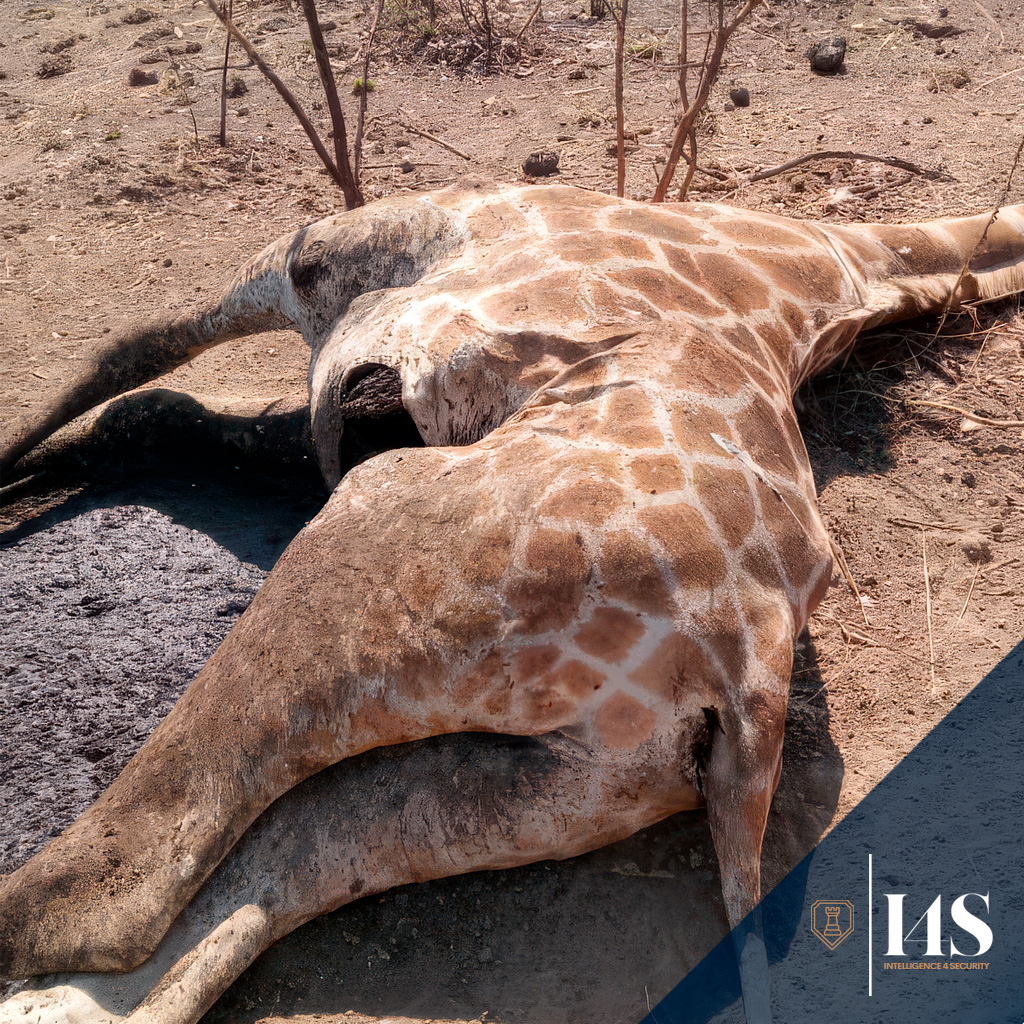
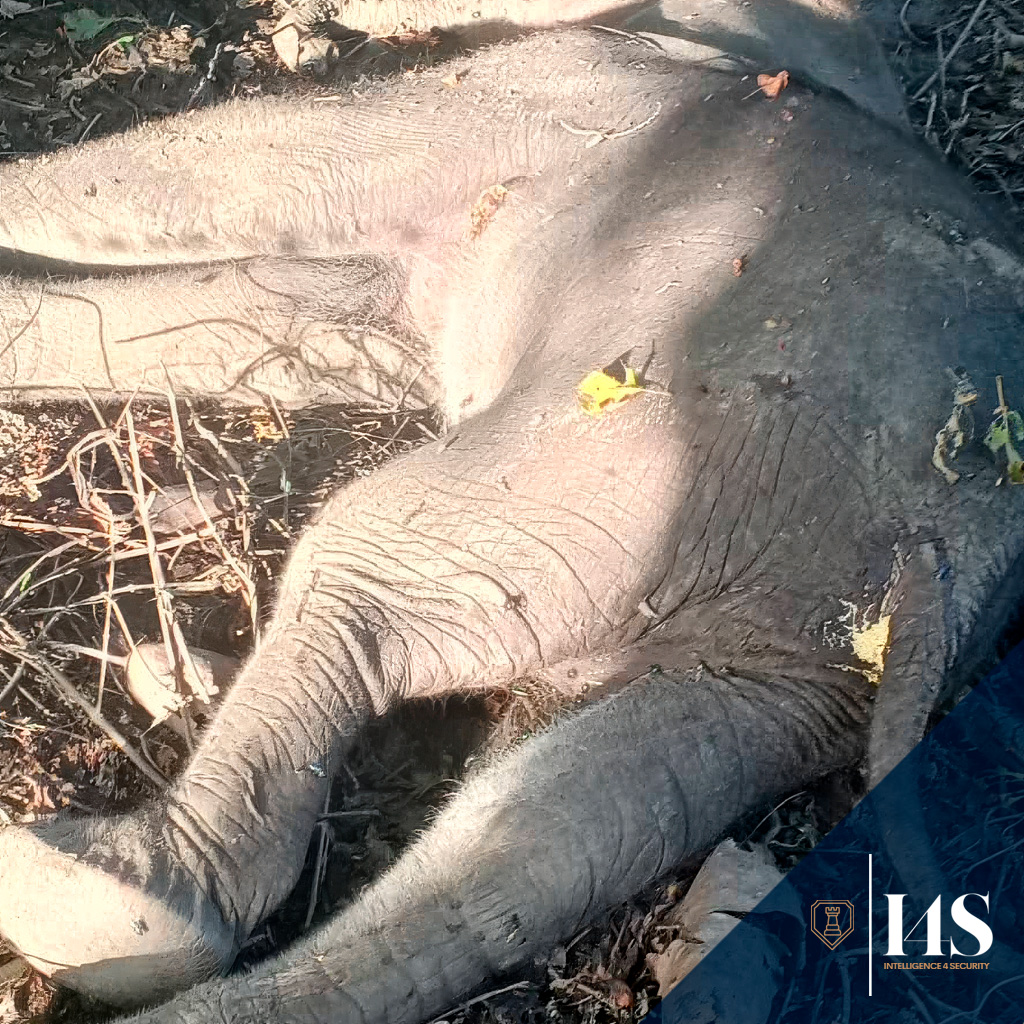
Modern conservation threats often involve networks rather than isolated individuals. Wildlife products, bushmeat, ivory, live animals, illegal timber, minerals or other natural resources may move through routes that cross communities, borders and criminal structures.
Rangers are not investigators in the judicial sense, but they can play a decisive role in identifying early indicators, preserving information and supporting the competent authorities through accurate reporting.
I4S can integrate training on wildlife trafficking awareness, observation of suspicious indicators, protection of potential evidence, reporting formats, chain-of-information discipline and coordination with local authorities.
This helps park authorities transform field observations into useful operational information and improves the ability to respond to organized threats affecting protected areas.
Technology, Reporting and Operational Intelligence
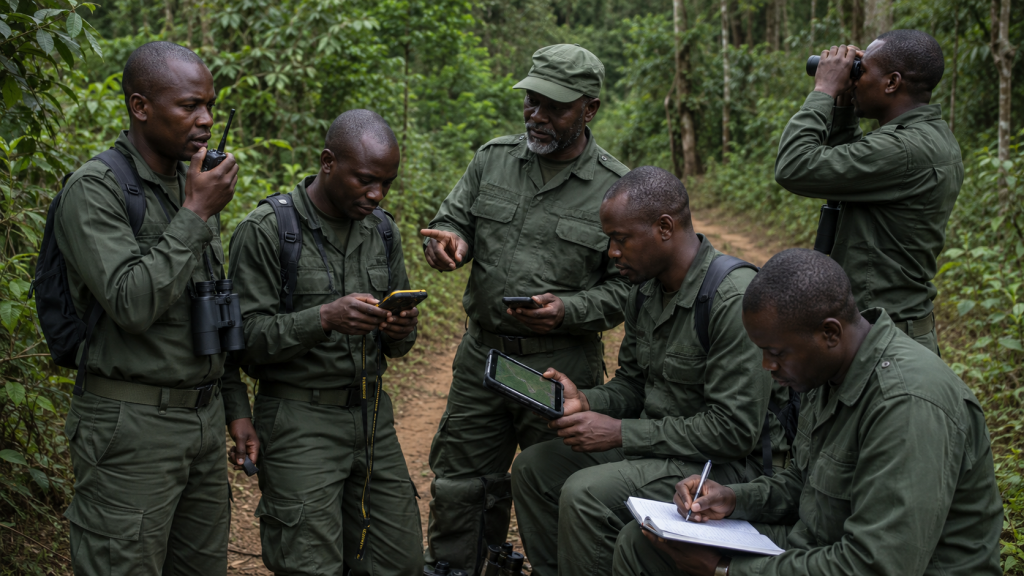
Modern protected area management increasingly depends on reliable information. A patrol that does not report correctly loses much of its operational value.
Training can include GPS mapping, radio communication, digital reporting, surveillance tools, Earth Ranger or similar platforms, camera-trap support, data collection and structured reporting procedures.
The objective is to help ranger teams improve situational awareness, support command decisions and create better information flows between the field and park management.
Effective reporting allows park authorities to identify patterns, allocate resources, understand recurring risks and coordinate with other institutions when necessary.
Train-the-Trainer and Long-Term Capacity Building
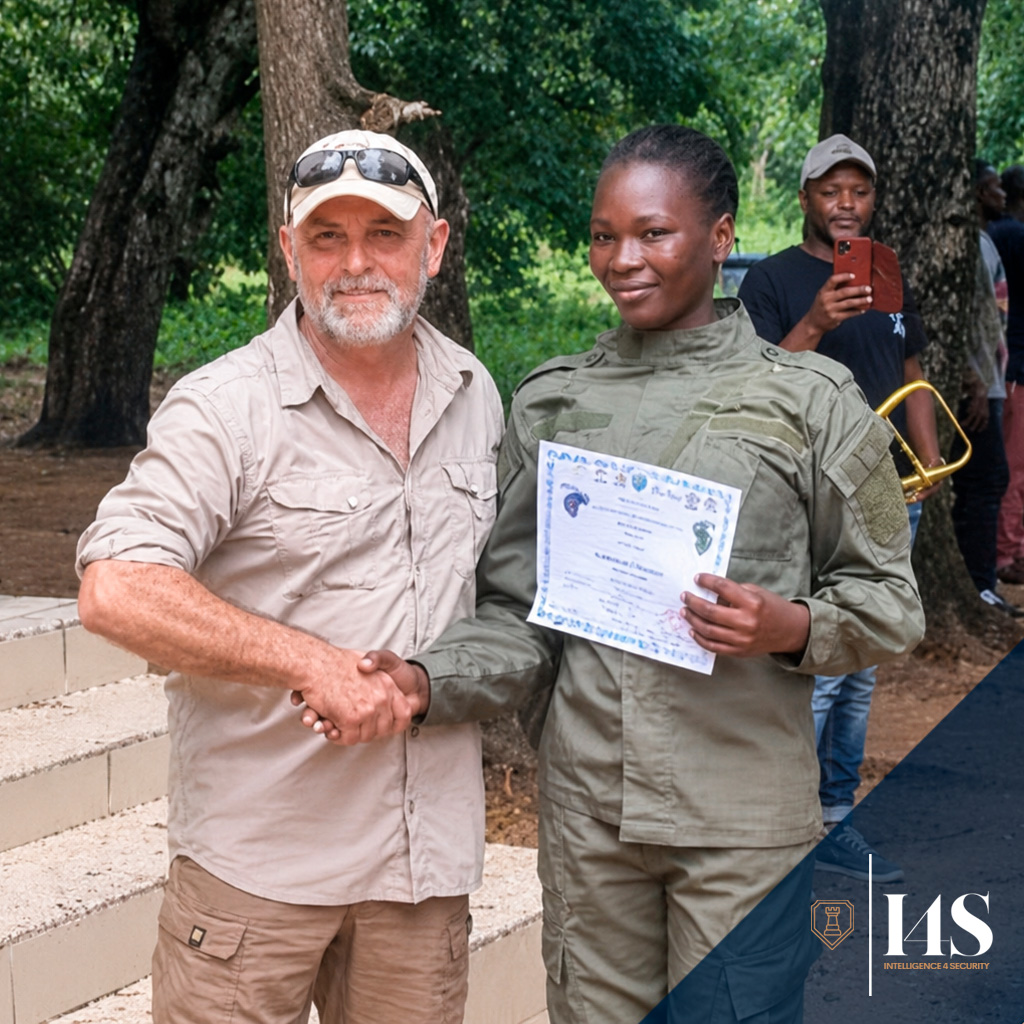

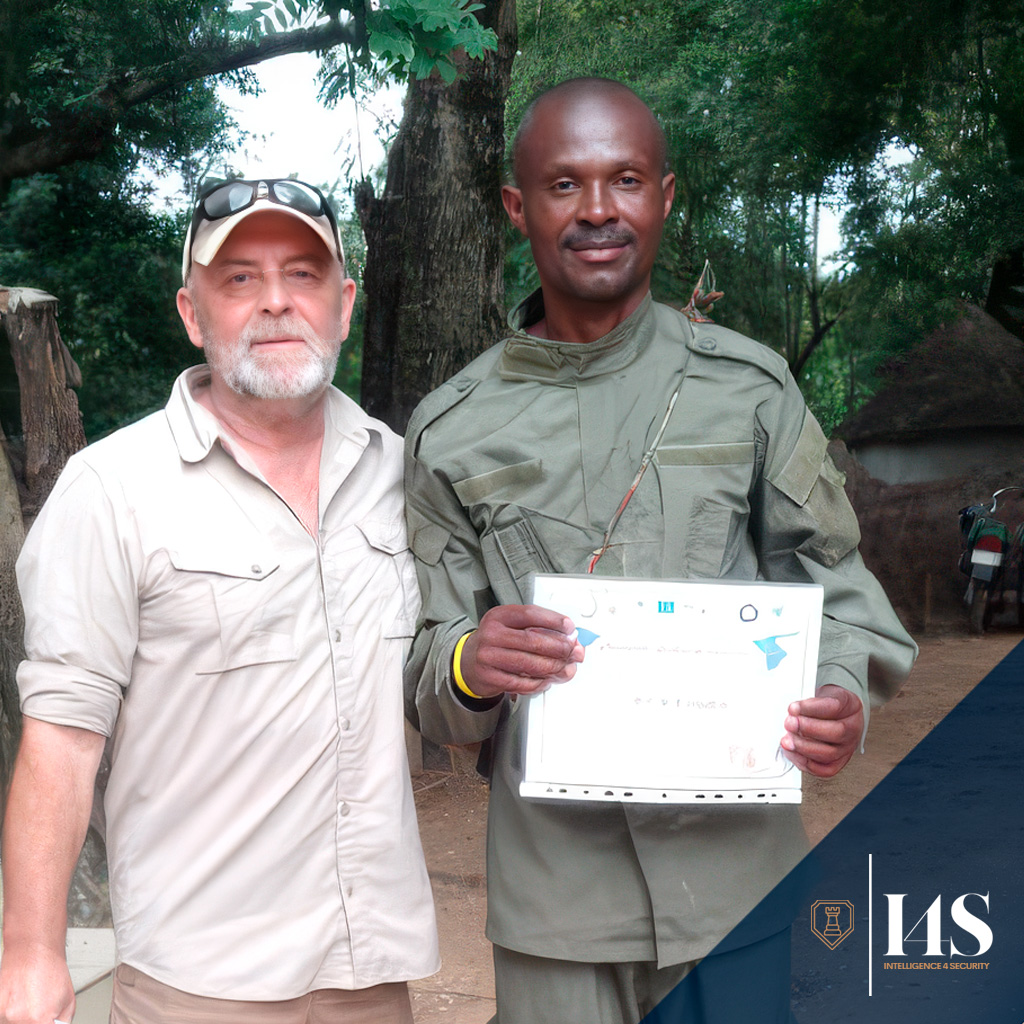
The most effective training programs are not limited to short-term instruction. They create sustainable capacity inside the institution.
I4S can include train-the-trainer components to support selected local personnel in becoming future instructors, team leaders or internal training references.
This approach helps park authorities maintain knowledge, standardize procedures, refresh skills and build long-term operational independence.
Capacity building is most effective when training combines practical instruction, field mentoring, evaluation and a clear methodology that local teams can continue applying after the initial program has ended.
I4S Operational Experience
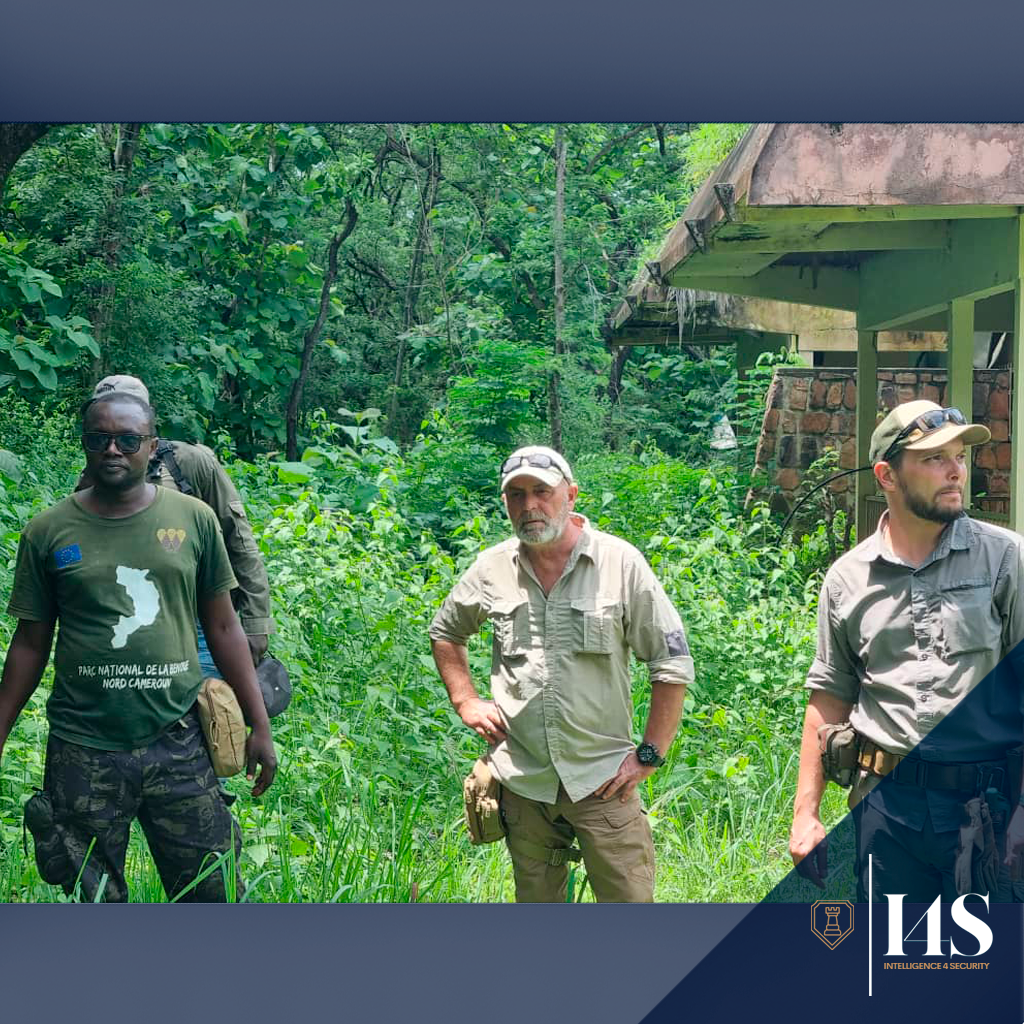
I4S brings together professionals with experience in security, field operations, crisis management, intelligence, military and law enforcement environments, as well as support to clients operating in complex and remote regions.
Our previous operational experience allows us to understand the realities of working in challenging environments where planning, local awareness, discipline, adaptability and reliable human networks are essential.
We understand that successful field operations require more than theory. They require preparation, coordination, leadership, legal awareness, health discipline, communication and the ability to operate safely on the ground.
Our experience in African protected-area contexts gives us a practical understanding of the challenges faced by ranger teams: difficult terrain, limited resources, wildlife protection pressures, illegal activity, security risks and the need to work closely with local structures and authorities.
Expected Outcomes
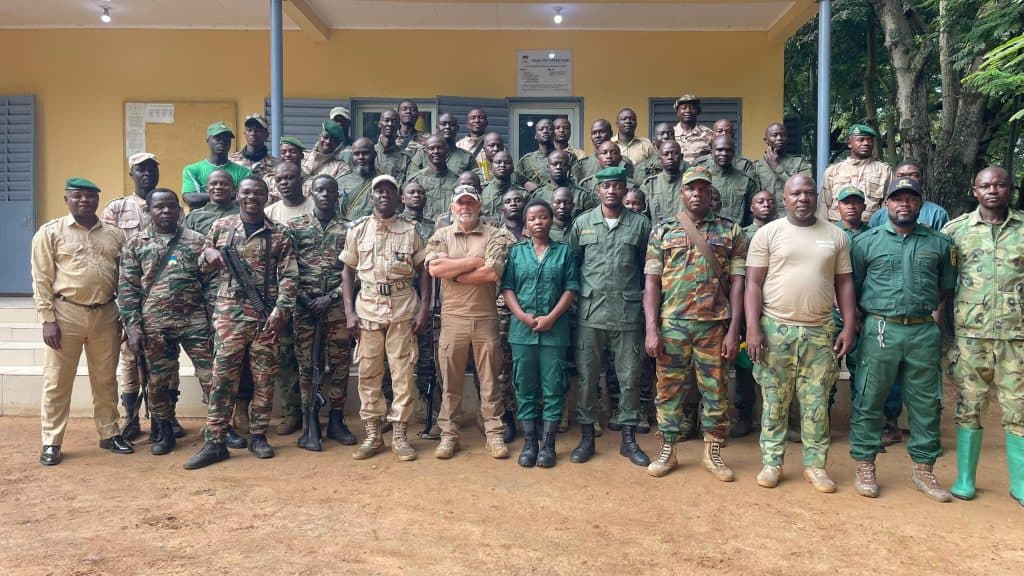
The purpose of the I4S Ranger Training Program is to deliver measurable improvement, not only certificates of attendance.
Depending on the needs of the park authority, expected outcomes may include:
- Improved ranger effectiveness in patrol, protection and enforcement duties.
- Stronger prevention and detection of poaching, illegal access and environmental crime.
- Better emergency response and incident management capabilities.
- Improved use of communications, GPS, mapping and reporting systems.
- Stronger coordination between rangers, park management, public authorities and local communities.
- Enhanced visitor safety and confidence.
- Better preservation of evidence and incident documentation.
- Increased team discipline, leadership and operational resilience.
- Long-term capacity building through train-the-trainer components.
- More sustainable conservation outcomes for the protected area.
Skilled rangers are one of the most cost-effective investments in protected area management. They are the people who turn conservation strategy into real protection on the ground.
Implementation Methodology
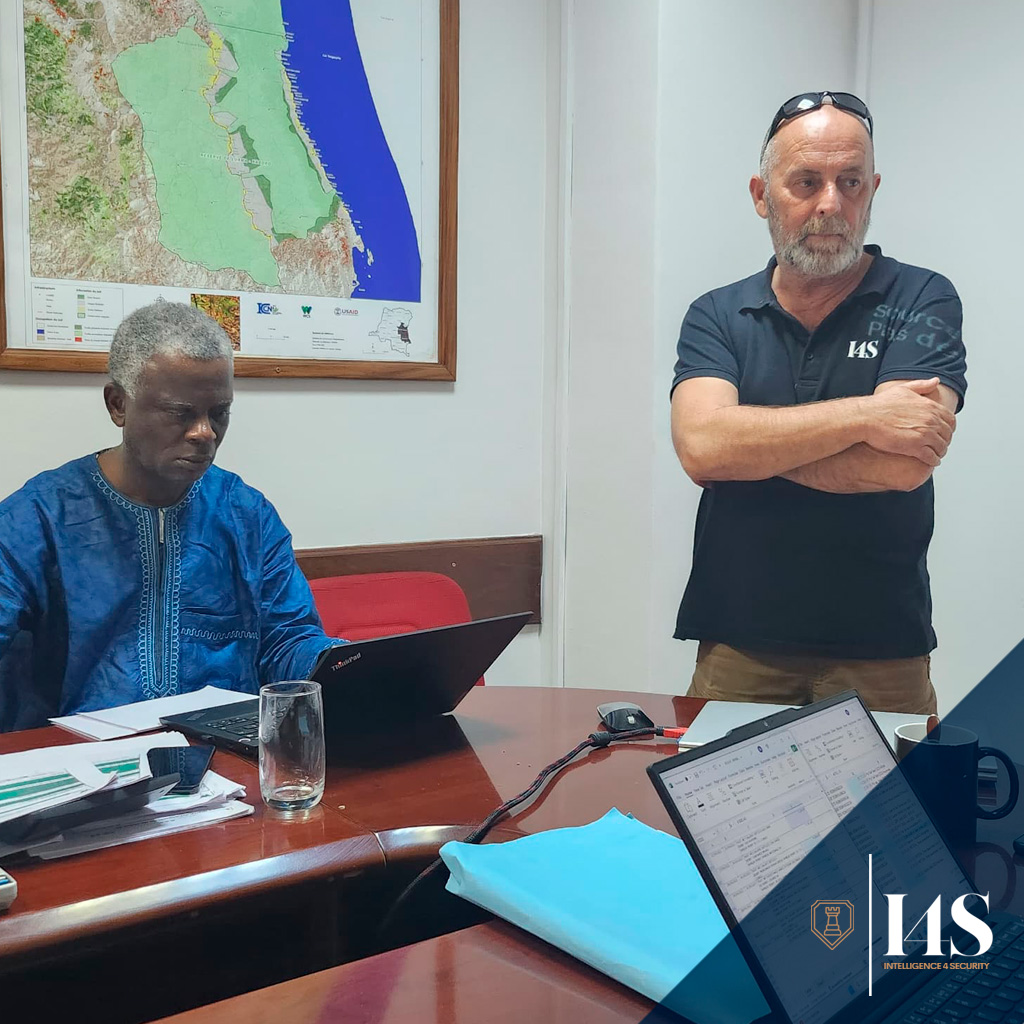
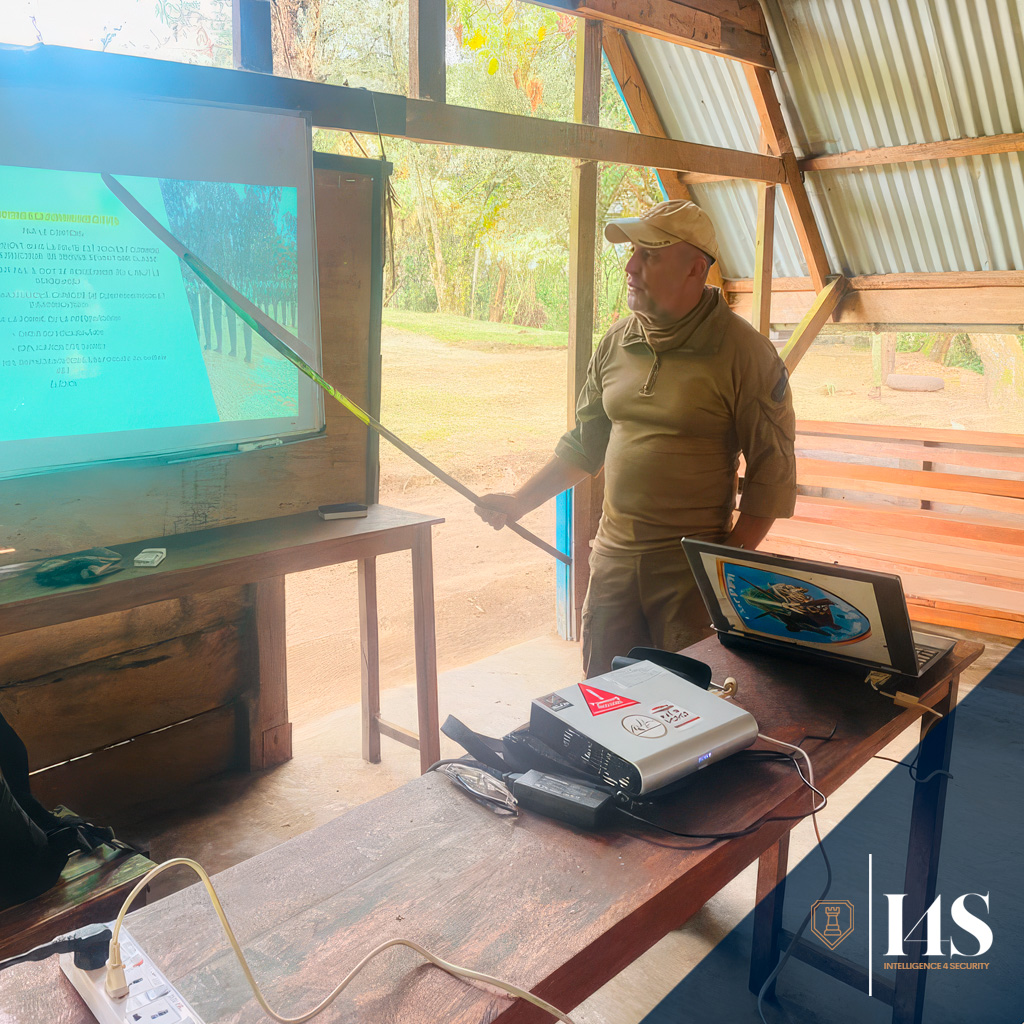
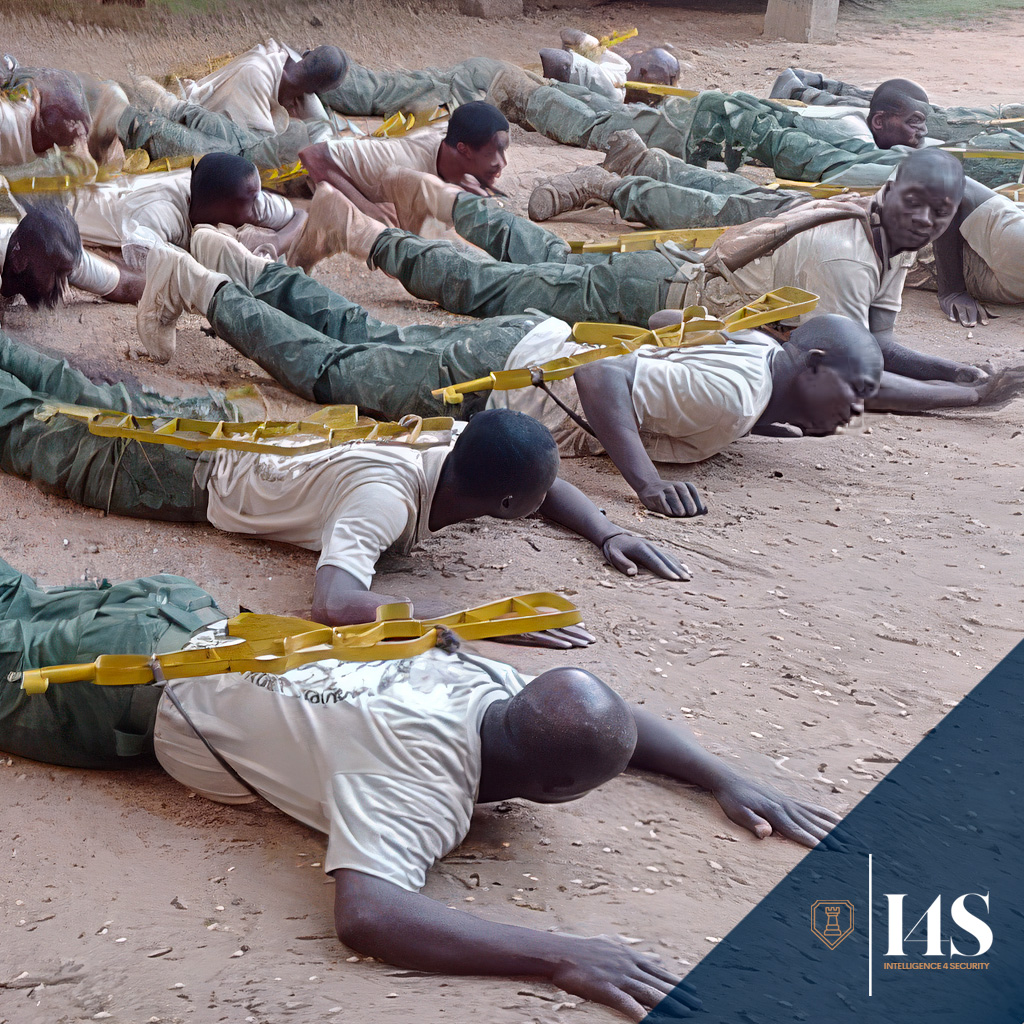
I4S works closely with park authorities and conservation partners to ensure that each program is fully adapted to the operational environment and institutional objectives of the protected area.
Our implementation process is structured in five phases.
1. Needs Assessment
We begin with a collaborative evaluation of current capabilities, available resources, operational risks, training gaps, terrain conditions, patrol practices, communication systems and institutional requirements.
2. Program Design
Based on the assessment, I4S develops a customized curriculum, training schedule and delivery plan adapted to the park’s priorities, legal framework, ecosystem, threat profile and ranger force structure.
3. Training Delivery
Training is delivered through a combination of classroom instruction, practical field exercises, scenario-based simulations, mentoring and operational evaluation.
4. Performance Evaluation
Progress is measured through practical exercises, team assessments, reporting quality, scenario performance and operational readiness indicators.
5. Follow-Up Support
I4S can provide refresher training, advanced modules, train-the-trainer programs and ongoing advisory support to ensure that the knowledge remains active and continues to evolve with the needs of the park.
Conservation Through Operational Excellence
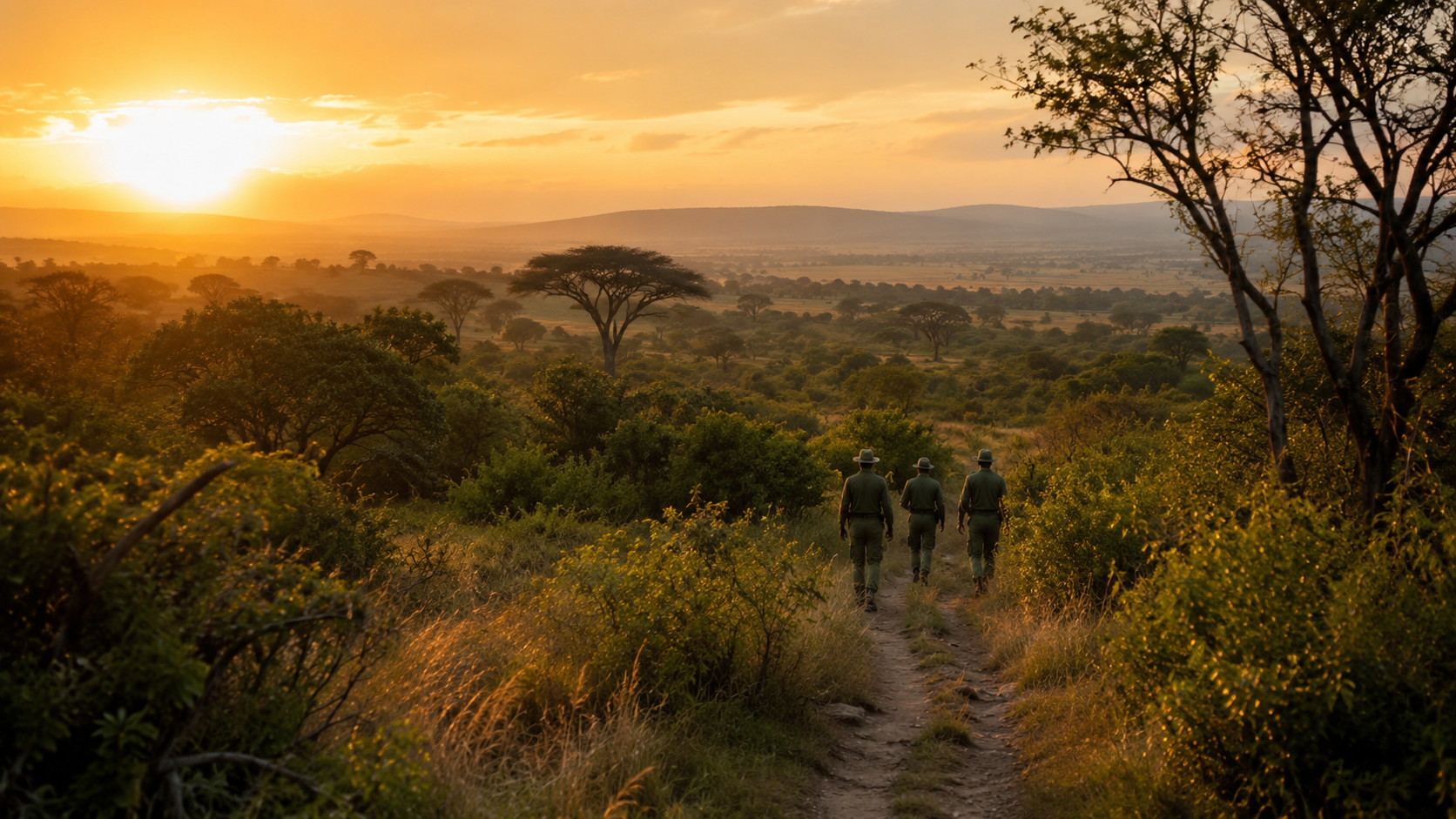
National Park protection is a long-term mission. It requires commitment, discipline, local understanding, institutional coordination and skilled personnel capable of operating in demanding environments.
At I4S, we believe that ranger training must be practical, respectful of local realities and focused on lasting impact. Our objective is not only to deliver a course, but to help build stronger ranger teams and more resilient protected areas.
A professional ranger force contributes to wildlife protection, environmental preservation, community confidence, visitor safety and the credibility of conservation institutions.
When rangers are properly trained, equipped with the right procedures and supported by effective leadership, the entire protected area becomes safer, stronger and better prepared for future challenges.
I4S is ready to support National Parks, conservation authorities and protected area managers in developing ranger capabilities that make a real difference on the ground.
Together, we can build stronger, safer and more effective ranger teams capable of protecting what matters most: people, wildlife and natural heritage.